
Contractors PVA
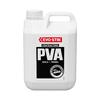
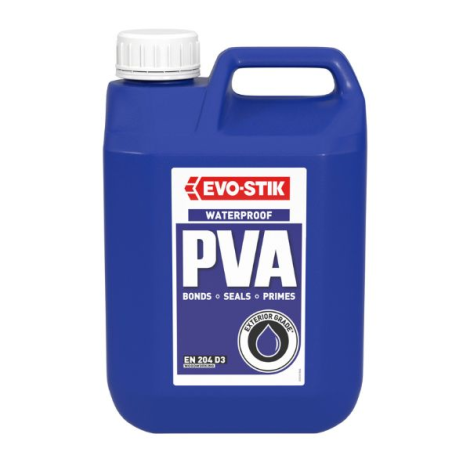
EVO-STIK Contractors PVA is a plaster bonding agent that primes and seals porous surfaces to create a better base for plastering. The plastering PVA prepares the substrate by reducing suction and improving adhesion, helping plaster bond reliably from the first coat.
White
Features and benefits
Formulated with plastering work in mind, this bonding agent for plaster helps regulate porosity of the substrate to prevent patchy drying and reduce the risk of weak adhesion or cracking. Its sealing action also reduces dust and stabilises surfaces, supporting a more consistent finish on interior walls and ceilings.
The versatile formulation can be diluted for priming or used neat as a tack coat when bonding new plaster to both porous and non-porous surfaces. Suitable for a wide range of common building materials, this PVA for plastering adapts well to the varied surfaces found on mixed-construction projects.
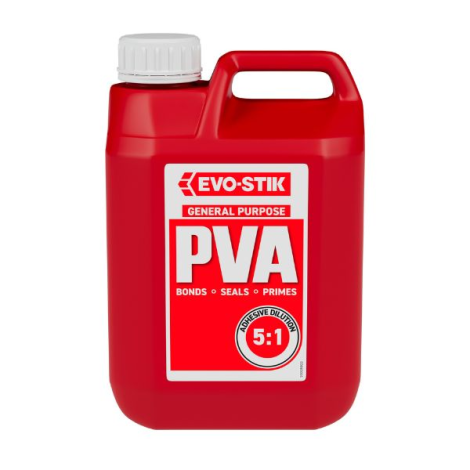
Supplied in a practical 5kg polyjerry, the plastering PVA is ideal for frequent use, reducing the number of containers needed on busy jobs.
Suitable materials: Bonds a wide range of materials provided one of the surfaces is porous, including timber, plywood, blockboard, chipboard, fibreboard, expanded polystyrene, polyurethane foam, insulating board, brick, concrete, plaster, stone and slate.
Coverage: 6-14m² per litre depending on application thickness and substrate.

Plastering PVA for priming porous surfaces and improving plaster adhesion
Regulates surface porosity for more even drying of new plaster
Seals and stabilitises dusty backgrounds for a more consistent finish
Works diluted for priming or neat as a tack coat before plastering
Suitable for both porous and non-porous surfaces
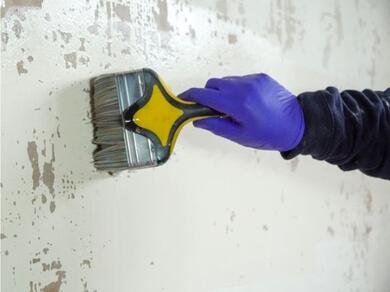
Apply by brush or roller
Supplied in a practical 5kg size for frequent use on busy jobs
Downloads & resources
EVO-STIK Contractors PVA Technical Data Sheet (242.99 KB)
This file is stored on an external website, please follow the link
How to use
Preparation
- Surfaces must be sound, clean and free from contaminants such as dust, oil, grease and any loose material.
- Shake the Contractors PVA well before use.
- The plastering PVA can be applied by brush or roller.
Application
To prime porous surfaces before plastering:
- Apply a mixture of one part Contractors PVA diluted with three parts clean water. Allow this primer coat to dry before continuing.
To bond new plaster to porous surfaces:
- Prime as above, allow to dry, then apply a neat coat of Contractors PVA. Apply plaster while the PVA remains tacky.
To bond new plaster to non-porous surfaces:
- Apply an undiluted coat of Contractors PVA before plastering, and apply plaster while the film is still tacky.
Good to know: Learn how to use EVO-STIK Contractors PVA for priming porous surfaces and bonding new plaster to both porous and non-porous backgrounds by referring to the Technical Data Sheet.
How to remove
- Clean tools and equipment with warm soapy water immediately after use.
FAQs
Do I need to PVA a painted wall before plastering?
Only if the paint is firmly bonded. EVO-STIK Contractors PVA should not be applied over loose, flaking or poorly adhered paint, as this can prevent the new plaster from bonding properly. If the paint is sound, the wall can be primed with a diluted coat of EVO-STIK Contractors PVA, followed by a neat coat, and plastered while the surface is still tacky. If the paint is unstable, it should be removed first to expose a suitable surface for plastering.
How long should I leave Contractors PVA before plastering?
Allow the diluted primer coat of EVO-STIK Contractors PVA to dry completely. The neat bonding coat should be plastered over while still tacky and must not be allowed to dry. Depending on temperature, humidity and the surface, the open time is typically around 5 to 10 minutes.
How many coats of Contractors PVA should I use before plastering?
For porous surfaces, apply one diluted coat of EVO-STIK Contractors PVA to prime the surface, followed by one neat coat just before plastering. The neat coat should remain tacky when the plaster is applied. Non-porous surfaces typically only require one undiluted coat used as a tack coat.
What does PVA stand for?
PVA stands for Polyvinyl Acetate.
What happens if I don't use Contractors PVA before plastering?
On porous surfaces, plaster can dry too quickly and unevenly, which may weaken adhesion and increase the risk of cracking. EVO-STIK Contractors PVA helps regulate suction and stabilise dusty surfaces, creating a more controlled and consistent base for plaster. Without it, plaster may not bond as reliably, particularly on highly absorbent substrates.
What is Contractors PVA used for?
EVO-STIK Contractors PVA is used to prepare porous surfaces for plastering by reducing suction, sealing dust and improving adhesion. It can also be applied neat as a tack coat to help new plaster bond to both porous and non-porous surfaces.
Get the right product, first time
Find the product you need for the job, how to use it, and where to buy it.
PRODUCT FINDER